

What Does a Gas Heating Engineer Do?
A gas engineer is a professional who works with systems and appliances which use natural gas. They install repairs, maintain and repair these systems and are able solve any issues that may occur.
They must be registered on the Gas Safe Register to work legally and they must inform the local authority of any projects they complete. This is to stop gas leaks, fires, explosions and carbon monoxide poisoning.
Qualifications
A gas heating engineer is a professional who specializes in working with appliances and systems that utilize natural gas. This includes heaters, boilers and heating controls. They can also repair gas-related issues, such as leaks and broken appliances. In addition to their technical expertise they also have great people skills and can be an enthralling presence for customers worried about the safety of their home systems. This type of job requires a lot of technical expertise, and many engineers work on their own or as part of teams.
Based on the area of focus, a gas heating engineer could possess different qualifications for the industry. For example an engineer who focuses on installation services may be certified to connect new appliances to the gas system and to complete Building Regulations paperwork. gas safe engineer can help find customers who require top-quality installations at competitive rates.
Other qualifications include a minimum two-year experience in the field, and having a valid CSCS Card. Engineers can take part in various training courses to improve their technical knowledge and customer service. These courses can vary from basic plumbing to the installation of green energy systems. Some employees belong to professional associations that provide tuition reimbursement and scholarships to their employees.
Many jobs in the field of gas engineering have an on-call component which means that engineers need to be available all hours of the day and night to answer calls. This can be a challenging aspect of the job and may cause a problem for engineers to find a balance between work and personal life. It is possible to achieve a work-life balance by scheduling regular tasks during on-call hours.
People who are interested in becoming gas engineers can start their career by enrolling in a training course. Some of these courses can be completed online or through an apprenticeship. Certain of these courses can be completed at a local vocational school or college. Some of the most sought-after courses include the Level 2 NVQ Diploma in Heating and Plumbing. This is a great option for people who already have experience in the field and are looking to advance their careers.
Those who are looking to start their own business may be able to find employment as apprentices with experienced engineers. Although these opportunities are usually only offered by large companies however, they are an excellent opportunity to learn the ropes and improve your skills. They also can provide a steady income as you gain qualifications.
Experience
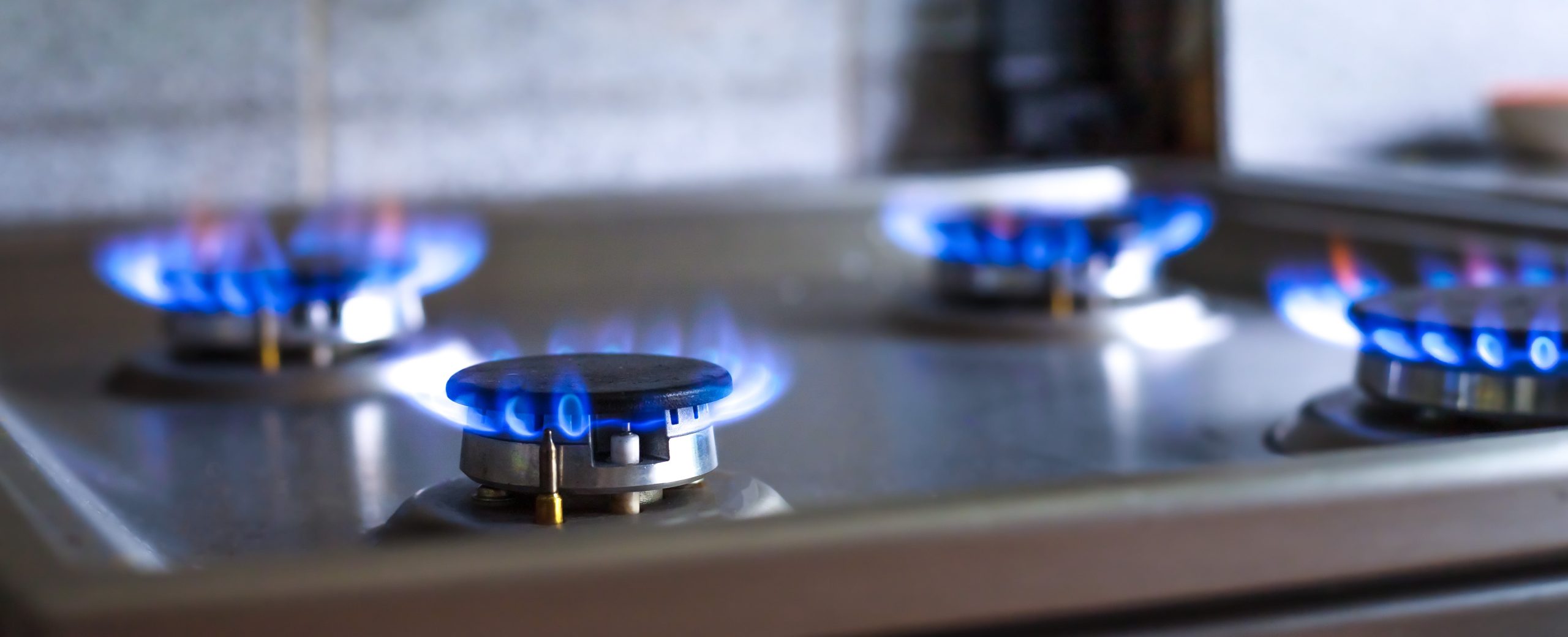
A gas heating engineer specialises in the equipment and systems that use natural gas. They install, maintain and repair these appliances in both commercial and residential homes. click through the next article conduct regular safety inspections and issue gas safety certificates. Depending on their experience gas engineers can carry out a variety of tasks, such as fixing a boiler or cooker, replacing it with a gas fire, or even upgrading heating controls and systems.
They must possess excellent technical abilities and exceptional customer service abilities. They will be working in the homes of customers which is why they need to be able to put them at ease. Additionally, they need to be able recognize problems and fix them swiftly.
The work of gas engineers is varied and often takes them to different locations during the course of a day. They may be required to travel to various workplaces or homes and be able work safely in tight spaces. They should also be able to communicate effectively with other professionals and customers.
Many gas engineers start out as plumbers, but then obtain additional qualifications to become a gas engineer. This enables them to expand their expertise and improve the chances of getting a job. They can move up to a managerial role or pass on their expertise to future generations of engineers.
As a gas tech, you are likely to earn between 20 and 250 PS per hour. gas registered engineer depends on the type of work and the experience level. Certain employers offer bonuses that could boost your earnings. The amount of work you complete in a week will also affect your pay.
Gas Safe registration is required to become an engineer in the field of gas. This certification is legally required for all those working on gas systems in the UK. This reduces the risk of carbon monoxide poisoning, and other hazards. If you are not certain if an engineer is Gas Safe registered, you can check their status at the Gas Safe Register website.
Pricing
When deciding which engineer to hire it is essential to know the distinctions between their services. Installing a gas boiler for instance, is different than repairing one. Similar is the case for other appliances and systems that run on natural gas. Because of this, many gas engineers choose to specialize in just one or two of these systems and appliances. This allows them to learn more in-depth knowledge faster.
Pricing varies depending on the type of service required and the extent of the project. For instance, emergency call-outs are typically priced at a higher cost because of the unsociable times involved. Some engineers also charge extra for travel costs and the cost of sourcing materials or parts. It is crucial to get precise quotes from engineers for all tasks to be performed. This will allow you to make an informed decision based on value. It will also provide you with precise guidelines for your budget.